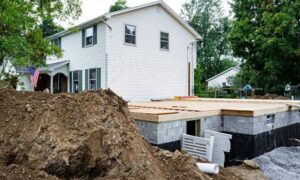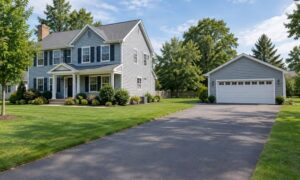
Buying a house means signing papers on a property you’ve only walked through a few times. A mortgage survey gives you an outside check on that property before you close. It shows where the house sits on the lot. It shows where the boundary lines fall. It also shows if anything on the ground doesn’t match what’s on paper.
Lenders often ask for one. They want to make sure the property matches the description in the loan file. Buyers benefit too. A mortgage survey can catch problems while there’s still time to ask questions or work things out.
Where a Mortgage Survey Fits Into the Closing Process
A mortgage survey usually gets ordered early, right after you sign the purchase contract. The lender or title company often requests it. The buyer usually pays for it as part of closing costs.
The surveyor visits the property. They check the boundary lines against recorded documents. They note where the house sits and mark any major structures. All of this goes into a simple drawing. It shows the lot lines, the outline of the house, and how far the house sits from each boundary.
Title companies use this drawing to check for problems before they issue title insurance. Lenders use it to confirm the property matches the loan paperwork. If something looks off, it usually comes up early. That gives everyone time to fix it instead of finding out at the closing table.
Timing matters here. A mortgage survey can take a few days or a couple of weeks. It depends on the surveyor’s schedule and how complex the property is. Ask your lender or title company about timing as early as you can.
What a Mortgage Survey Documents Around the Home
A mortgage survey answers one main question. Does the house sit where the legal description says it should?
The drawing usually shows the property lines and the outline of the main house. It also shows things like detached garages, sheds, decks, and fences. It marks any visible easements or rights of way that cross the lot. It notes how far the house sits from each boundary line.
This is different from a full boundary survey. A boundary survey sets or confirms the actual property corners in the ground. A mortgage survey relies more on records and visible evidence. That makes it faster and cheaper, but less exact.
For most home purchases, this level of detail is enough to satisfy the lender. It confirms nothing major is out of place. Ask your surveyor what will be included before the work starts, since this can vary between companies.
Property Features That Deserve Closer Review Before Closing
Some things on a mortgage survey are worth a second look. Fence lines are one common issue. A fence that sits several feet off the real property line isn’t rare. It can affect how much yard space you actually have.
Detached structures like sheds or garages sometimes sit closer to a boundary than local rules allow. This happens most on older homes, where the structure went up before current rules were in place. If the survey shows a structure close to a line, check with the city to see if it still meets the rules.
Easements are another thing to watch for. A utility easement running through the backyard might limit where you can build a pool or an addition later. Shared driveways can also come with agreements that affect how you can use the property.
Encroachments are also common. This is when a neighbor’s fence, driveway, or shed crosses onto the property you’re buying. Catching this before closing gives you a chance to ask the seller to fix it. That’s better than dealing with a boundary problem after the sale is final.
When a Mortgage Survey Is Not Enough
A mortgage survey works well for a simple home purchase. The lender just needs to confirm the property matches the loan file. It’s not built to settle a boundary dispute or guide a construction project.
If you already have a disagreement with a neighbor about a property line, a boundary survey is the better choice. That process involves checking deeds, finding or setting physical markers, and producing a survey that can hold up if the issue needs to go further.
Commercial properties, larger lots, or purchases with more than one parcel often need an ALTA/NSPS Land Title Survey instead. That type of survey follows a more detailed national standard. It can include things like zoning information, flood zone data, and utility locations, which a mortgage survey usually skips.
Planning a big project, like an addition, a pool, or a new structure, is another time when a mortgage survey isn’t enough on its own. Construction staking or a more detailed boundary survey gives you the accuracy needed to build in the right spot and stay within setback rules.
Confirming the Correct Survey Scope
Survey needs can change based on the lender, title company, city, and the property itself. Before you order anything, ask your lender or title company what type of survey they require. Ask if an older survey on the property can be updated instead of redone.
Kansas City has a mix of older neighborhoods and newer development. Older properties sometimes have survey records that are decades old. Those records may not match changes made to the property since then. A licensed surveyor who knows Jackson County and the surrounding area can help you figure out if old records still work or if you need a new survey.
Getting this sorted out early helps you avoid delays close to your closing date. It also gives you time to review anything the survey finds before you sign final paperwork.